Unless you’ve got a good idea that you want to be a brewer for life, your first couple batches of homebrew will be carbonated using priming sugar and “bottle conditioned”. Even if you are an expert with a badass kegging system, there are still styles that lend themselves to bottle conditioning, including high gravity beers that need to be aged, or Belgian beers brewed in the traditional style (some of which prefer having some yeast sediment in the bottle and ask you to swirl before ... continue reading...
How to Keg Homebrew For Newbies
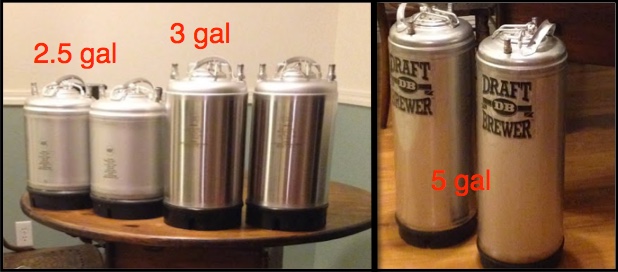
If you’ve been bottling for a while then you know what a pain in the butt it is and are ready to learn how to keg your homebrew. Probably the hardest thing when starting to keg is knowing what equipment you need to buy, especially if you’ve never kegged before! Luckily, setting everything up is pretty easy once you have the right gear, and after that, you just need to learn how to start serving your beer like a true cicerone. What About ‘dem Kegs The first, and most obvious thing you are going ... continue reading...
Belgian Beer Glasses - A Collectors Heaven Or Hell?

It seems to me that there are just as many types of Belgian beer glasses as there are Belgian beers. I sat down to write this post I thought I bought a Belgian tulip I was psyched about, and thought I could write a quite post about a few of the styles of glasses I had seen over the years. I was wrong. What started out in my mind as one or two styles, quickly turned into screenshot after screenshot of unique shapes, sizes, and appropriate beers to pair with them. So I’m going to attempt to ... continue reading...
Whole Cone Hops + Hop Pellets + Hop Extract…What’s The Difference?
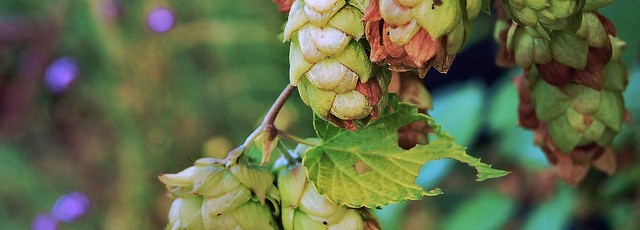
One of the choices that a homebrewer must make is whether they choose to use fresh hops or hop pellets. Both approaches are effective for brewing beer, but they have some key differences that you should understand before using one or the other. Hop Pellets These are versions of hops that are highly processed. The processing means that the hops are more concentrated than fresh hops and all non-resinous material is removed. Hop pellets are frequently made from a blend of different hops, resulting ... continue reading...
Do You Really Need A 5000 ml Erlenmeyer Flask?
With Black Friday just behind us, I’ve got a lot of new brewing toys that I want to write about. One of the things I purchased online this year was a 5000 ml Erlenmeyer Flask. The funny thing is, when I bought my first yeast starter kit, they included a 500 (two zeros) ml flask. 5000 ml seemed insane at the time. Now, it's my go-to container for yeast starters. But will you really need to make a 5 liter yeast starter? Maybe yes. Do you really need a 5000 ml flask? If you're making 5 ... continue reading...